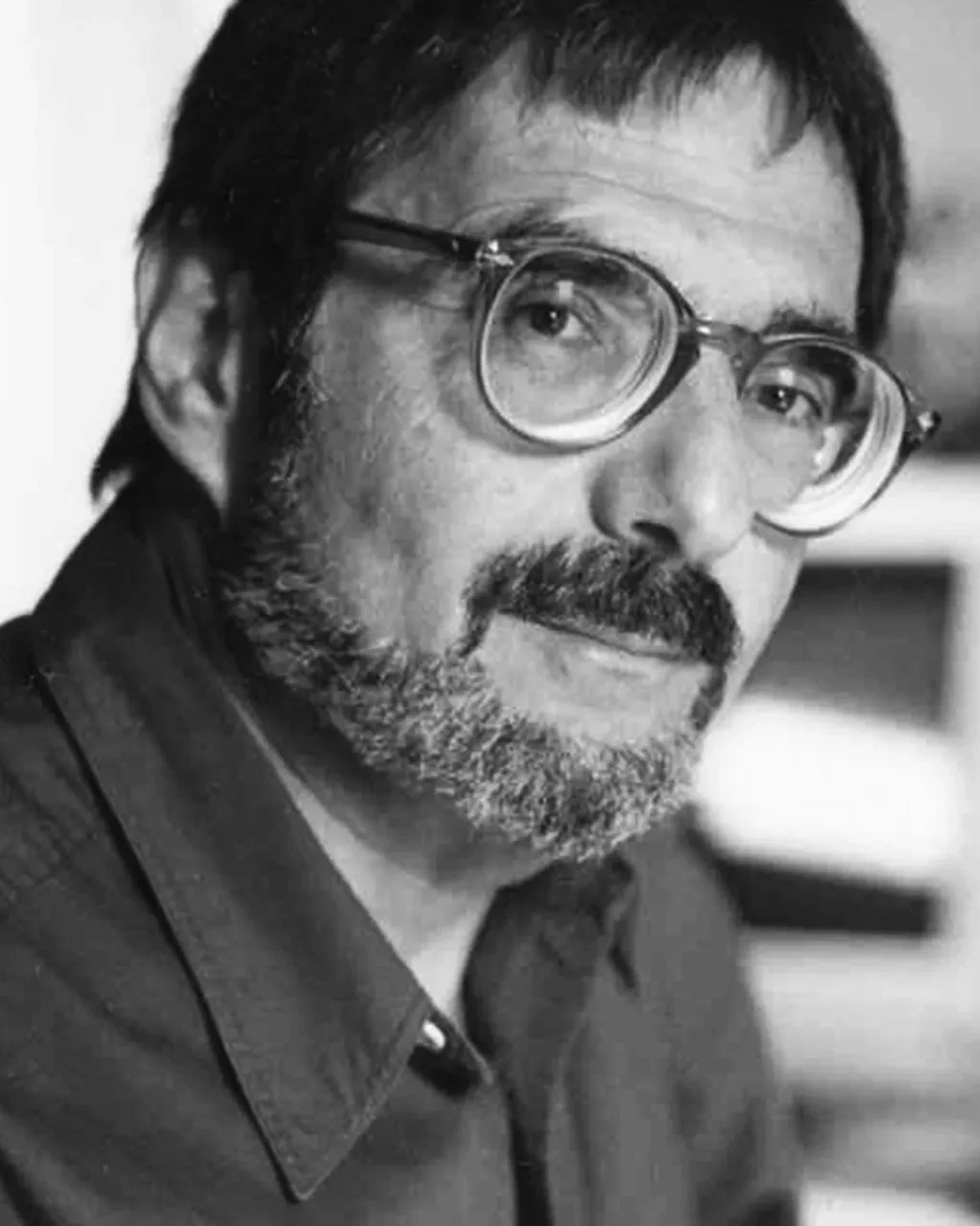
LOUIS WEISDORF
Louis Weisdorf (1932-2021) was a well-known Danish architect and industrial designer. After becoming one of the youngest designers to graduate from the Royal Danish Academy of Fine Arts in Copenhagen in 1954, he worked across graphic, interior, architectural, and industrial design. Weisdorf described himself as a specialist in versatility, which sums up the prodigious and notable career of this multi-faceted designer.
MULTI-LITE INNOVATION
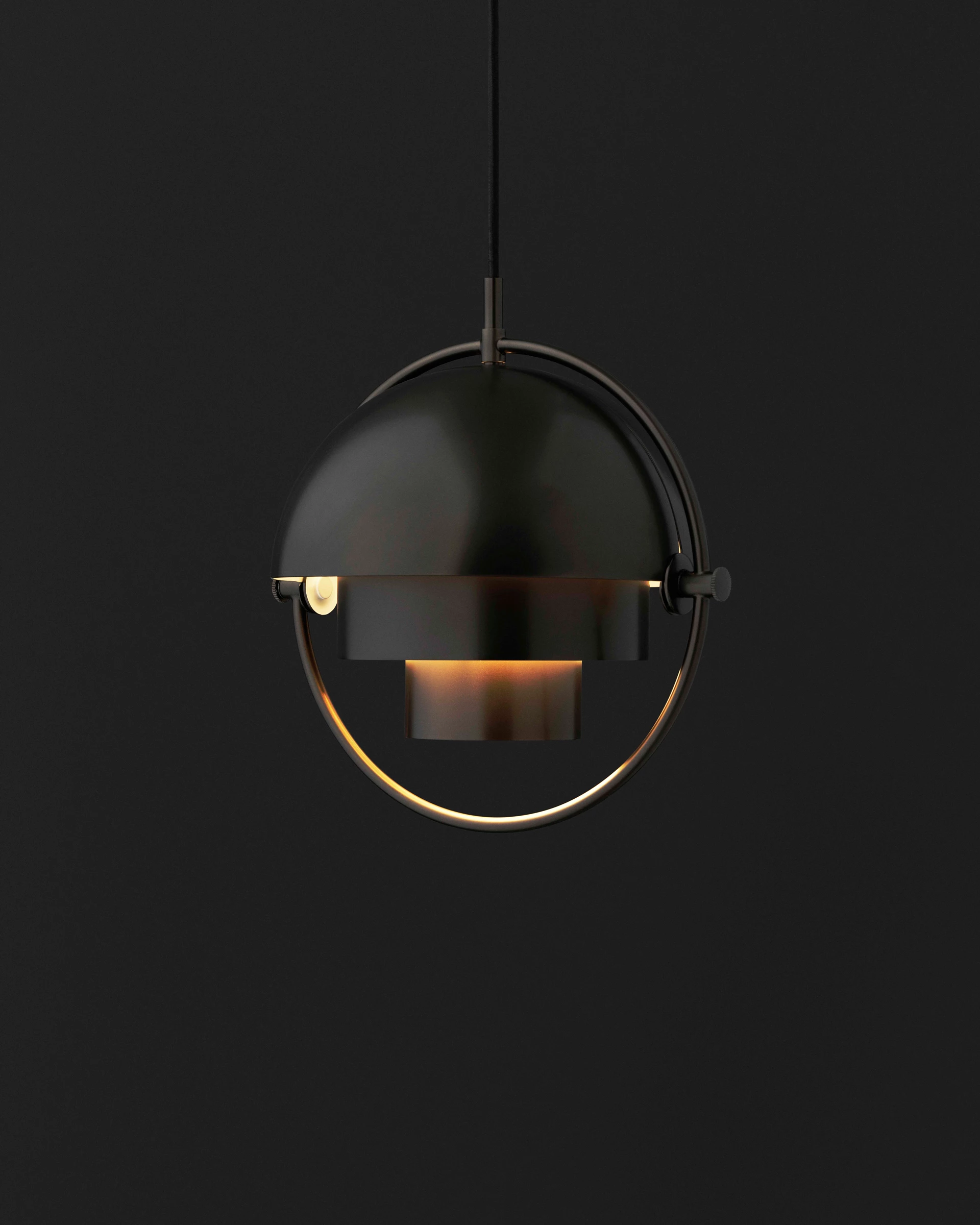
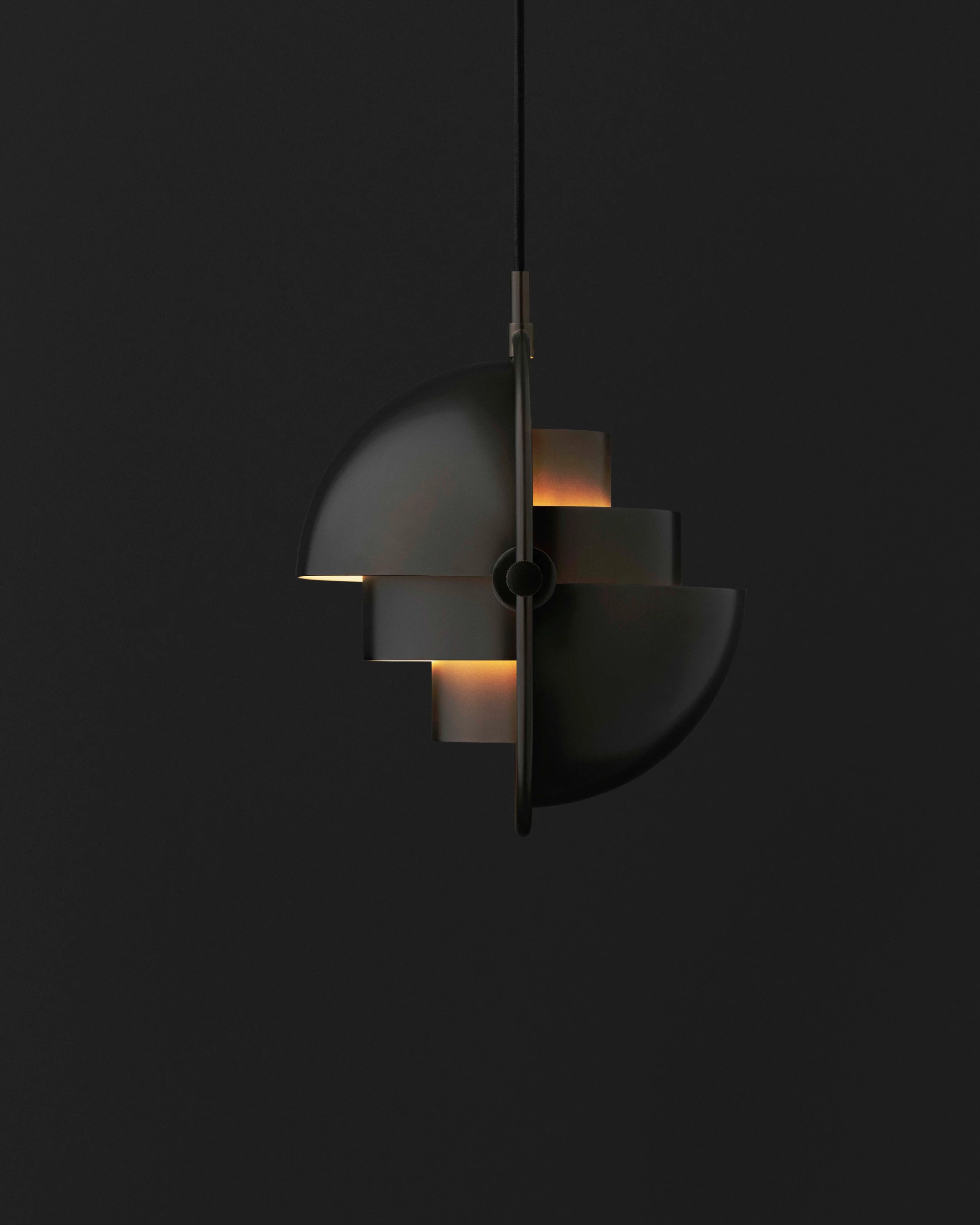
Weisdorf made the drawings for the Multi-Lite in 1972. The lamp collection reflects Weisdorf’s passion for objects that can be changed by the user, involving them in the design process and offering a more dynamic design. Simply adjusting its shades transforms the lamp, enabling light to be directed upwards, downwards or even in asymmetric beams. As Weisdorf himself said: “It’s a bit more complex.” Today, Weisdorf is world-renowned, his lamps are soughtafter collectors’ items and his Multi-Lite for GUBI appears in Chloé stores all over the world.
DESIGN PARTNERSHIP
Weisdorf opened his own architectural firm in 1967 in Copenhagen, sharing the premises with architect Ole Panton (the younger brother of Verner Panton), where he served both national and international clients and worked closely with Verner Panton and Poul Henningsen. He designed, among other things, the former ticket office for the Harbour and Canal Tour in Copenhagen.
TURBO PENDANT
He also continued his exploration of uniform slats as a way to direct light, most notably in his spherical Turbo Pendant from 1967, which was awarded the iF Design Award. He was fascinated by the simple design principle of the repeating form that offered so much flexibility in appearance depending on the colour and positioning of the slats, while shielding the eye from direct bulb glare from all angles. The latter was a principle he adopted from Poul Henningsen throughout his career.