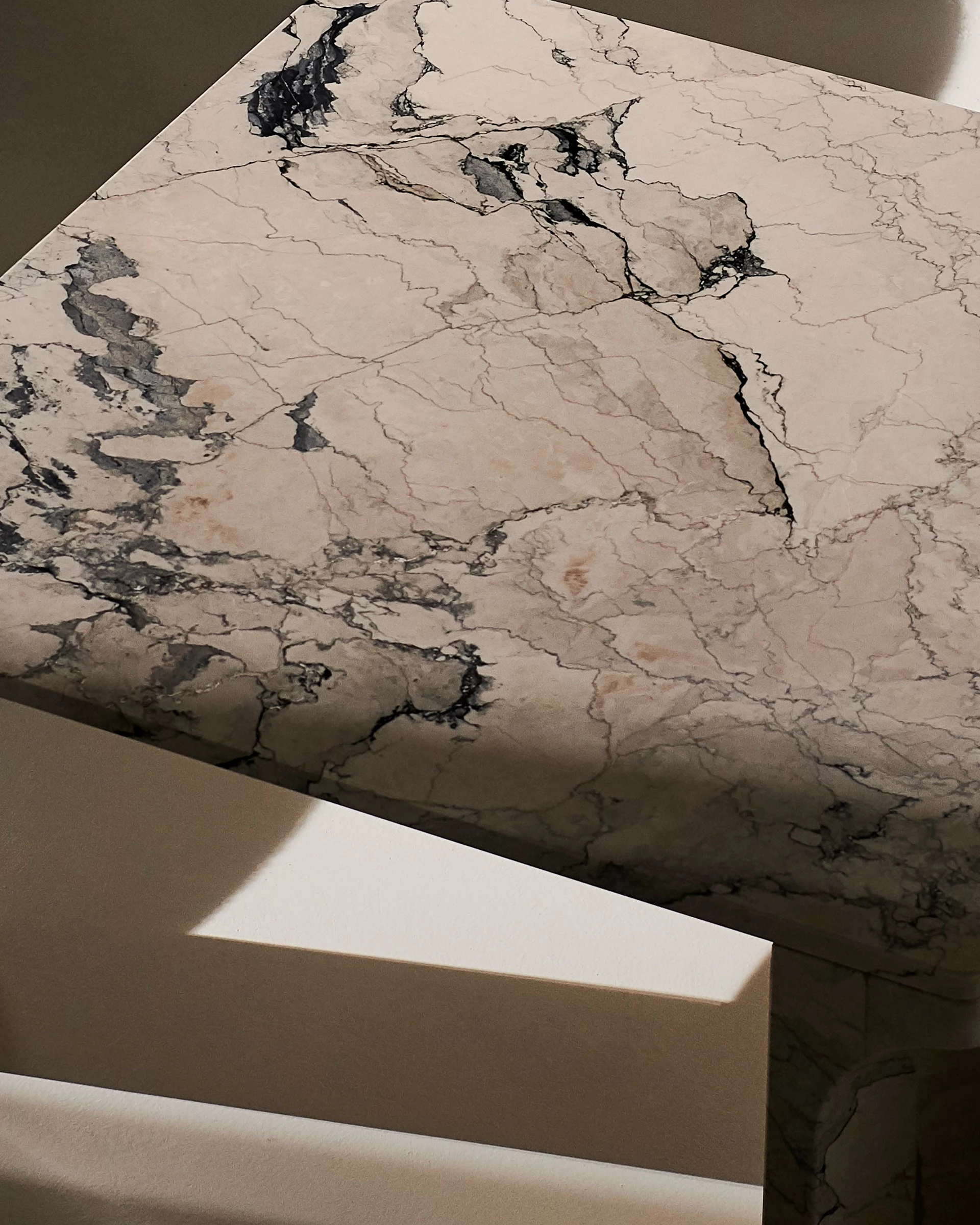
LIMESTONE: THE TIMELESS ELEGANCE OF EARTH'S EMBRACE
MATERIAL
Limestone is a sedimentary rock composed principally of calcium carbonate or the double carbonate of calcium and magnesium. It is commonly composed of tiny fossils, shell fragments and other fossilized debris. Each limestone is unique, and the colors, pattern and veining will vary on each product.
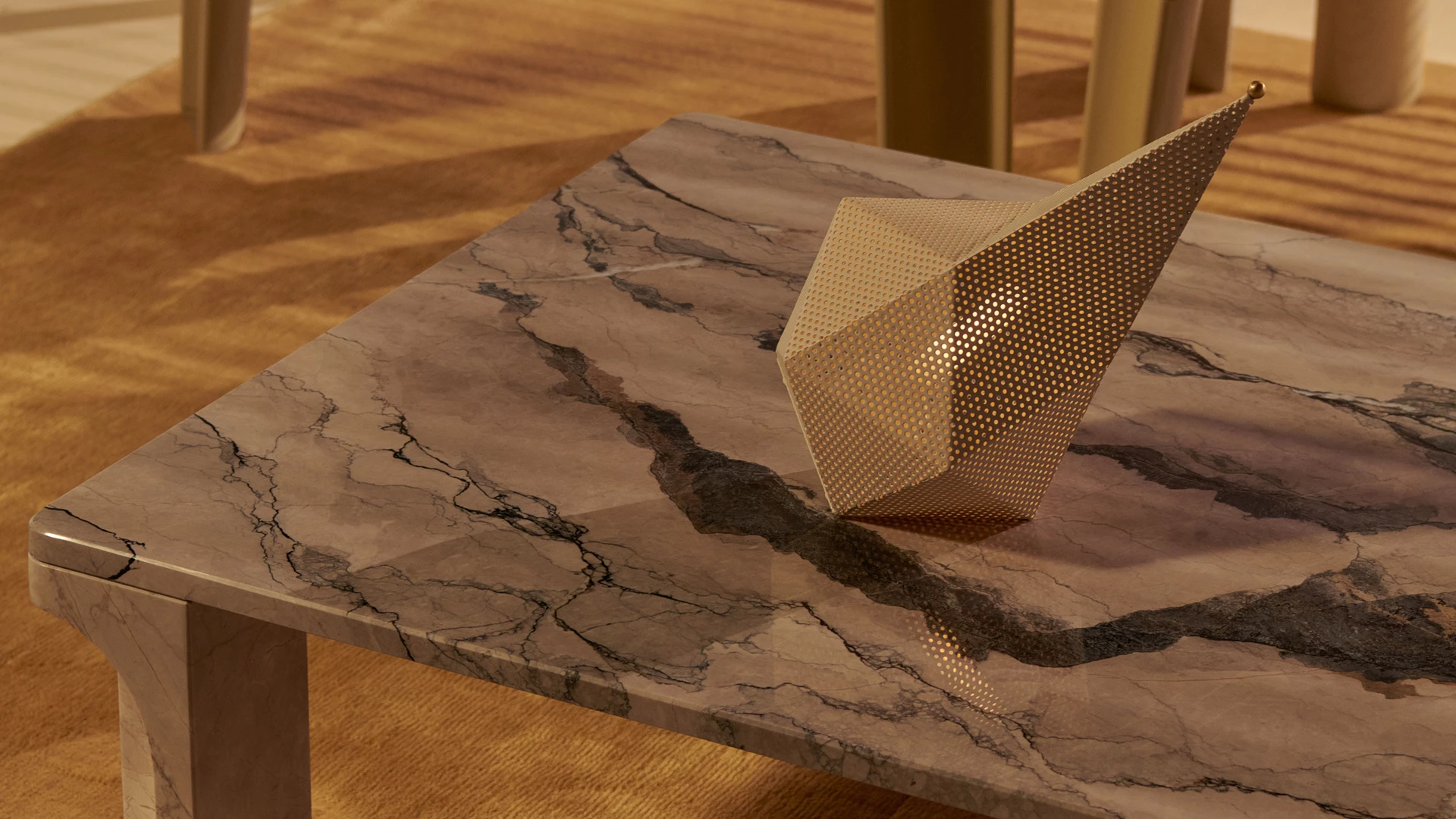
THE HISTORY OF EARTH IN YOUR HOME
Veining variations in limestone are caused by the presence of different minerals, sediments, or fossils, which create distinctive patterns or lines within the stone. These veins can range from subtle and fine lines to more pronounced and intricate patterns, adding depth and character to the appearance of limestone. Fossils, such as shells, corals, or other marine organisms that were present during its formation, can also create distinct textures and patterns, contributing to limestone's visual diversity.
UNIQUE VARIATIONS & NATURAL COLORWAYS
Created geologically over millions of years, limestone is a sedimentary rock composed primarily of calcium carbonate. Its color and veining variations are a result of the diverse minerals and organic materials present during its formation, as well as the geological processes it undergoes. In terms of color, limestone commonly appears in shades of beige, off-white, with dark and light gray veining.
ELECTRIC GRAY
A blend of off-white and gray with beige and dark gray veining.