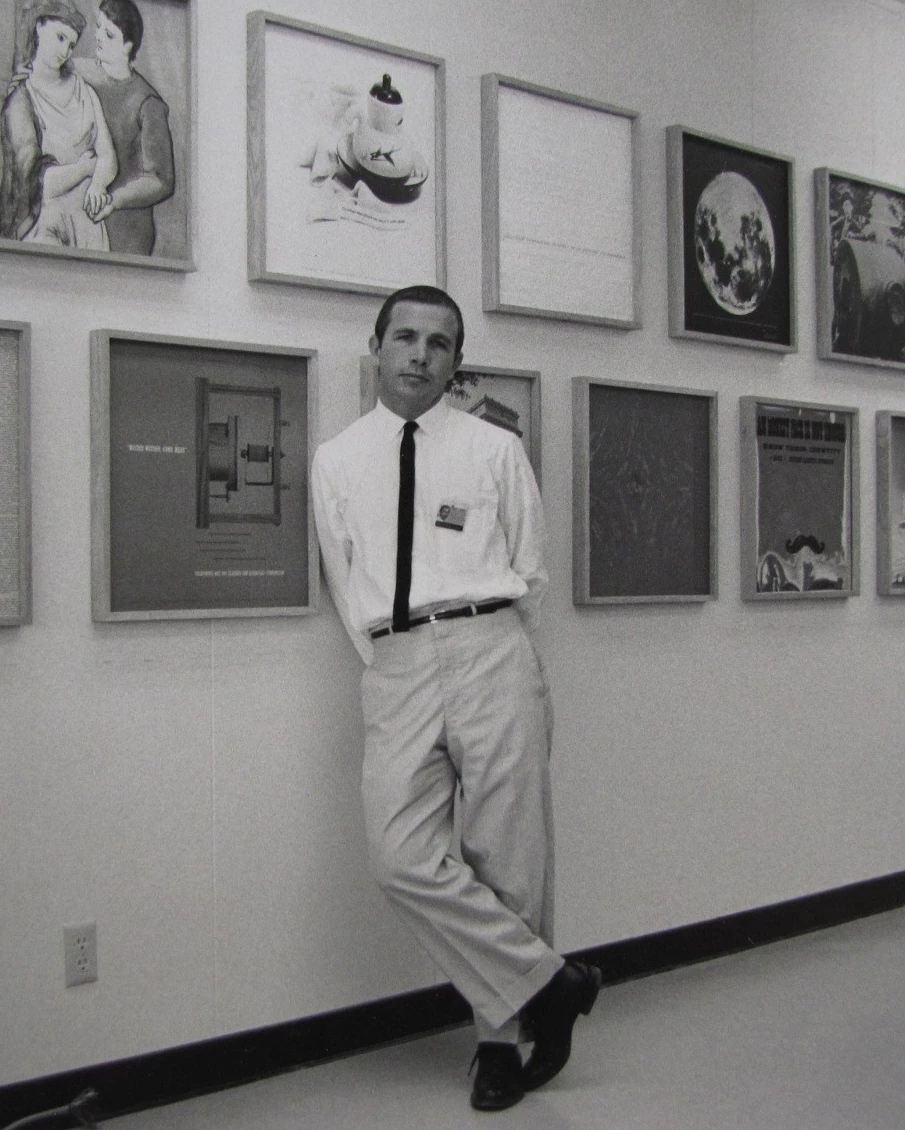
BILL CURRY
American designer Bill Curry (1927-1971) captured the zeitgeist of the 1960s and ‘70s with his iconic lamp designs. From his unique Los Angeles vantage point at the meeting point of art, design and engineering, during an era defined by the space race, pop culture and a new forward-looking optimism, he translated the wonder and delight he saw around him into simple yet intelligent ideas with clear visual narratives. Credited with developing the first ‘total look’ lamp forms - eliminating the base-bulb-shade concept and instead exploiting the bare bulb in a playful, self-contained unit - he was recognized as one of California’s leading designers by the time he died at the age of just 43.
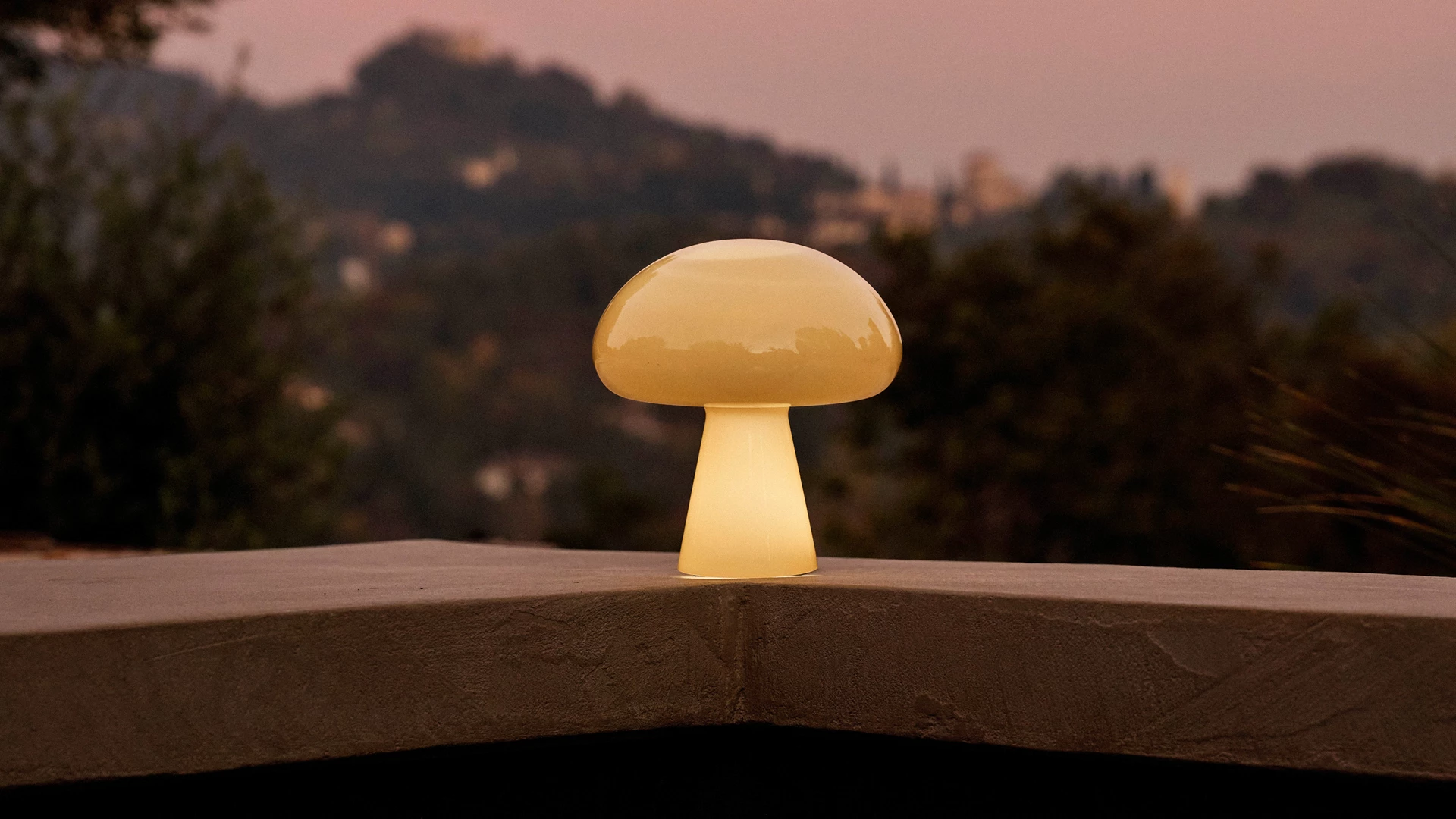
‘LA SPACE-POP’ FORM, FIT FOR TOMORROW’S WORLD
He absorbed all these influences and ideas to develop a new norm for lighting - a single piece that combined stand, bulb and shade into one organic, yet bold and colorful ‘LA space-pop’ form, fit for tomorrow’s world. He contrasted colorful cast-iron bases with transparent glass tops, and combined interrelated materials, parts and colors across multiple products. His space-age ‘total look’ lamps were an instant hit - Industrial Design Magazine awarded his collection the accolade of 'Best Lamps of the Year' and the US Department of Commerce showcased his Stemlite Collection in the Soviet Union, Yugoslavia, and Iraq, as exemplars of American design.
ONE OF CALIFORNIA’S LEADING DESIGNERS
By 1969, with more than 50 national design awards, including the New York Art Directors Club’s Award of Distinctive Merit, to his name, Curry was described by the Los Angeles Times as “one of California’s leading designers” just before his untimely death two years later. His legacy lives on today as one of the true pioneers of American space-age design.