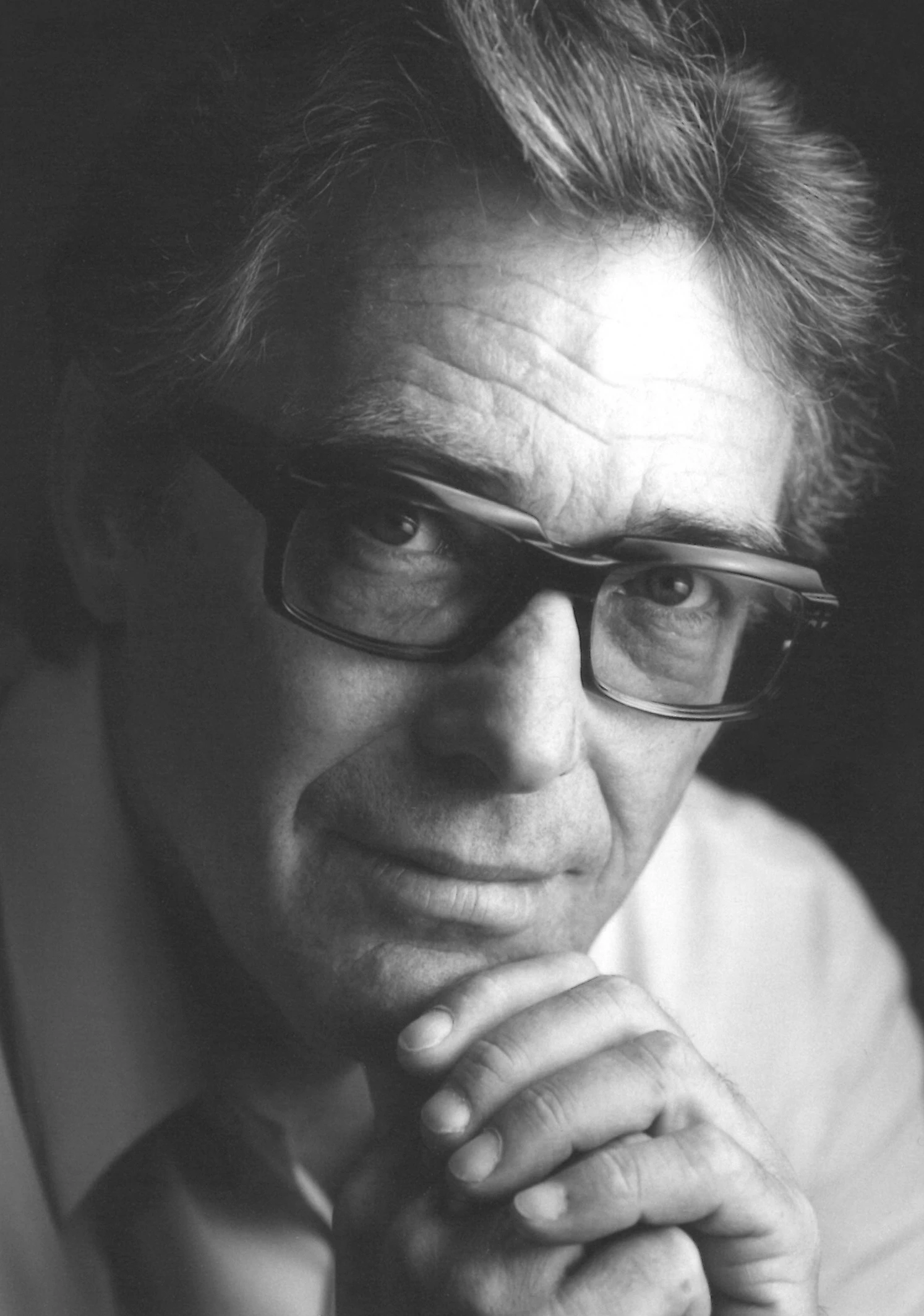
ILLUM WIKKELSØ
Danish furniture designer Kristian Illum Wikkelsø (1919–1999) believed that furniture should be built to last, to indulge the body and to please the eye. He belonged to a group of designers who represented the Golden Age of Danish design during the 1950s and 1960s. With his clear design aesthetic and deep understanding of materials, he was one of the key protagonists to make Danish design style an international phenomenon.
FROM CRAFT TO CLASSIC
Like many furniture designers of his generation, Wikkelsø trained as a cabinetmaker. He graduated with a distinction in 1940, before continuing his studies at the Copenhagen School of Arts & Crafts. Here, he was instructed by architect Orla Mølgaard-Nielsen, who later became both a business partner and an inspiration. After graduating in 1943, Wikkelsø was admitted to the Royal Danish Academy of Fine Arts’ School of Furniture Design, then headed by ‘father of modern Danish design’, Kaare Klint.
Wikkelsø had already made a name for himself with his unique design aesthetic and artisanal sense of detail, and he was recognized for his efforts with a bronze medal for his graduation project. He continued his work with architect and cabinetmaker Jacob Kjær and won four awards for his contributions to the Copenhagen Cabinetmaker’s Guild’s annual furniture exhibitions before he crossed paths with Mølgaard-Nielsen again and went to work for the architectural firm Hvidt & Mølgaard. He established his own eponymous design firm, based in Aarhus, Denmark, in 1954.
CRAFTED FOR LIVING
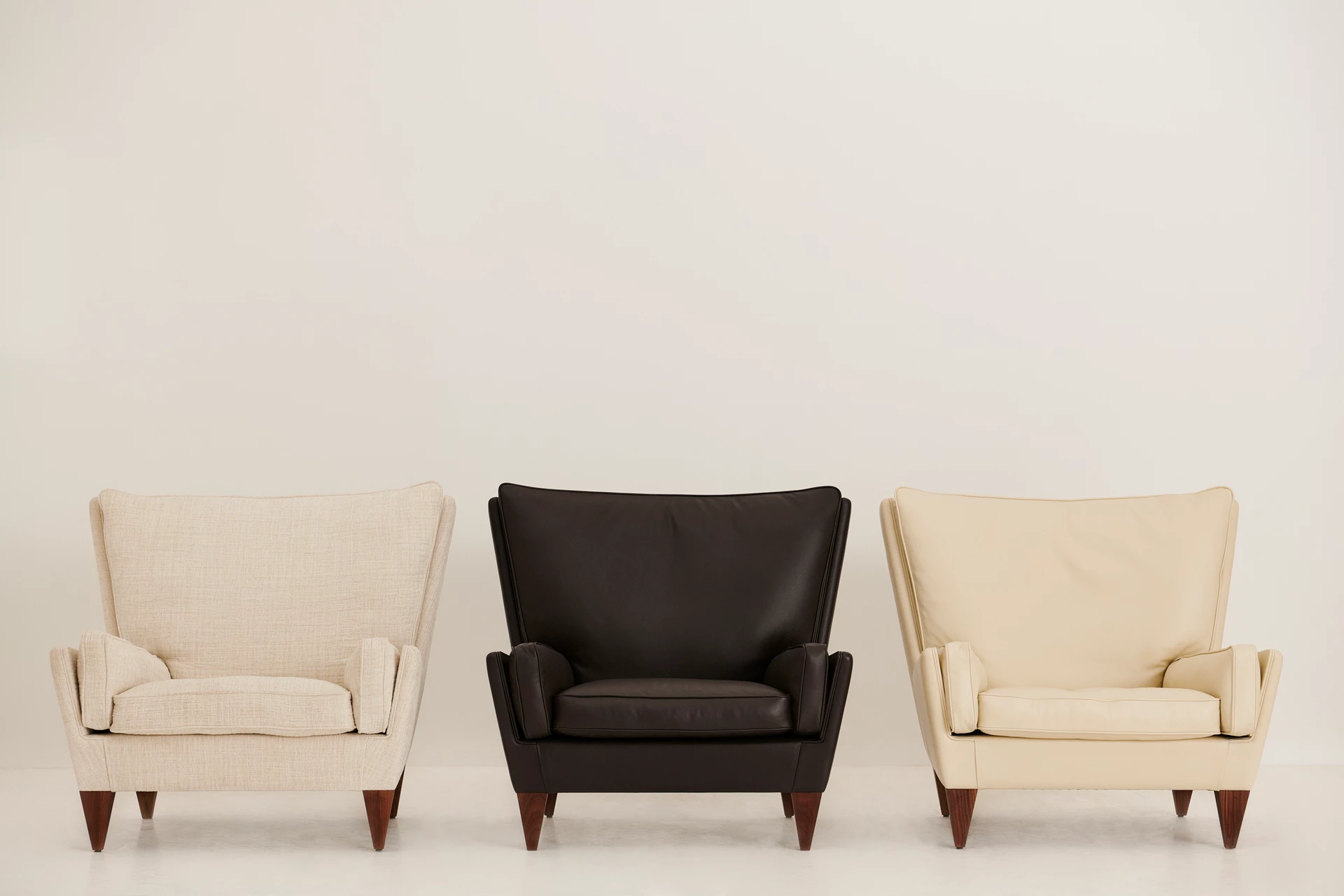
Although Wikkelsø was in many ways in tune with the design aesthetic of his time, he had both the courage and ability to develop his own innovative style which was often expressive and surprising, but always focused on sublime craftsmanship and attention to detail. Over the decades that followed, Wikkelsø would make his mark with an array of furniture pieces such as sideboards and shelving in exotic woods, and, most notably, lounge furniture, sofas, and armchairs. His impetus was always the Scandinavian design aesthetic, and his goal to develop furniture that cradled the body while capturing the essence of the Danish landscape